Surgical Procedures
Eyelid lift (upper and lower eyelid lift)
The appearance of the eyes and eyelids is an essential part of overall facial aesthetics. Sagging eyelids can make a person look tired, old, or unhappy. Eyelid lift surgery is a procedure that can improve the appearance of the eyes by treating drooping eyelids. In this article, we discuss the causes of drooping eyelids, the benefits and limitations of eyelid lift surgery, the healing process, and alternatives to this procedure.
Book appointment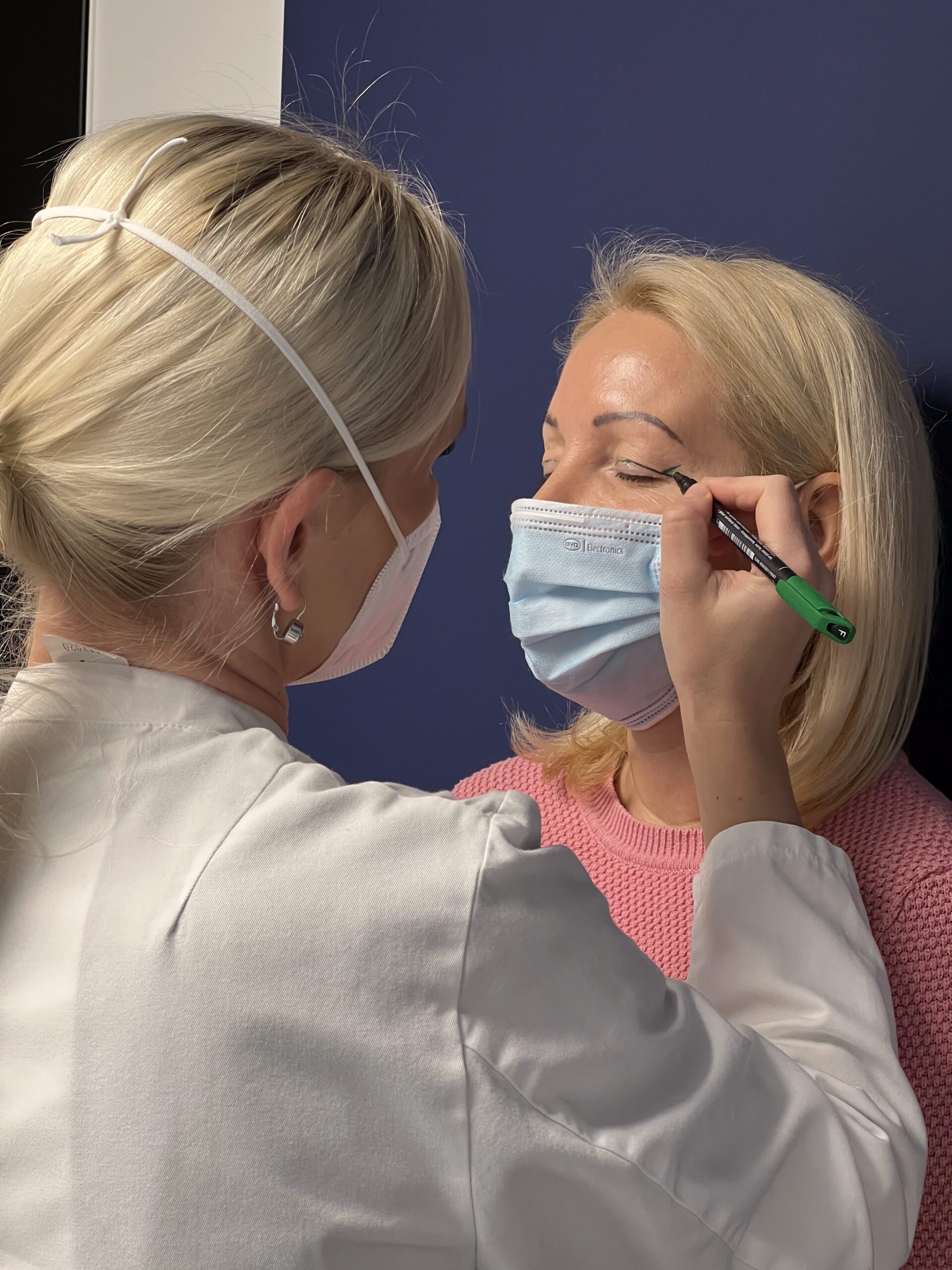
Causes of drooping eyelids
Sagging eyelids can occur for various reasons, such as aging, genetic predisposition, lifestyle habits, and medical reasons. With age, the skin around the eyes loses elasticity, leading to drooping eyelids. Genetics can also play a role in the development of drooping eyelids. Lifestyle habits such as smoking, excessive sun exposure, and poor nutrition can accelerate the aging process and lead to drooping eyelids.
Understanding eyelid lift surgery
Eyelid lift is a cosmetic procedure in which excess skin is removed and the muscles around the eyelids are tightened. Depending on the patient’s needs, the procedure can be performed on both the upper and lower eyelids. There are different types of eyelid lift, including blepharoplasty, endoscopic brow lift, and laser skin resurfacing. The procedure is usually performed under local anesthesia.
Overview of how an eyelid lift is performed:
Anesthesia:
The surgeon usually administers a local anesthetic to numb the area around the eyes.
Incisions:
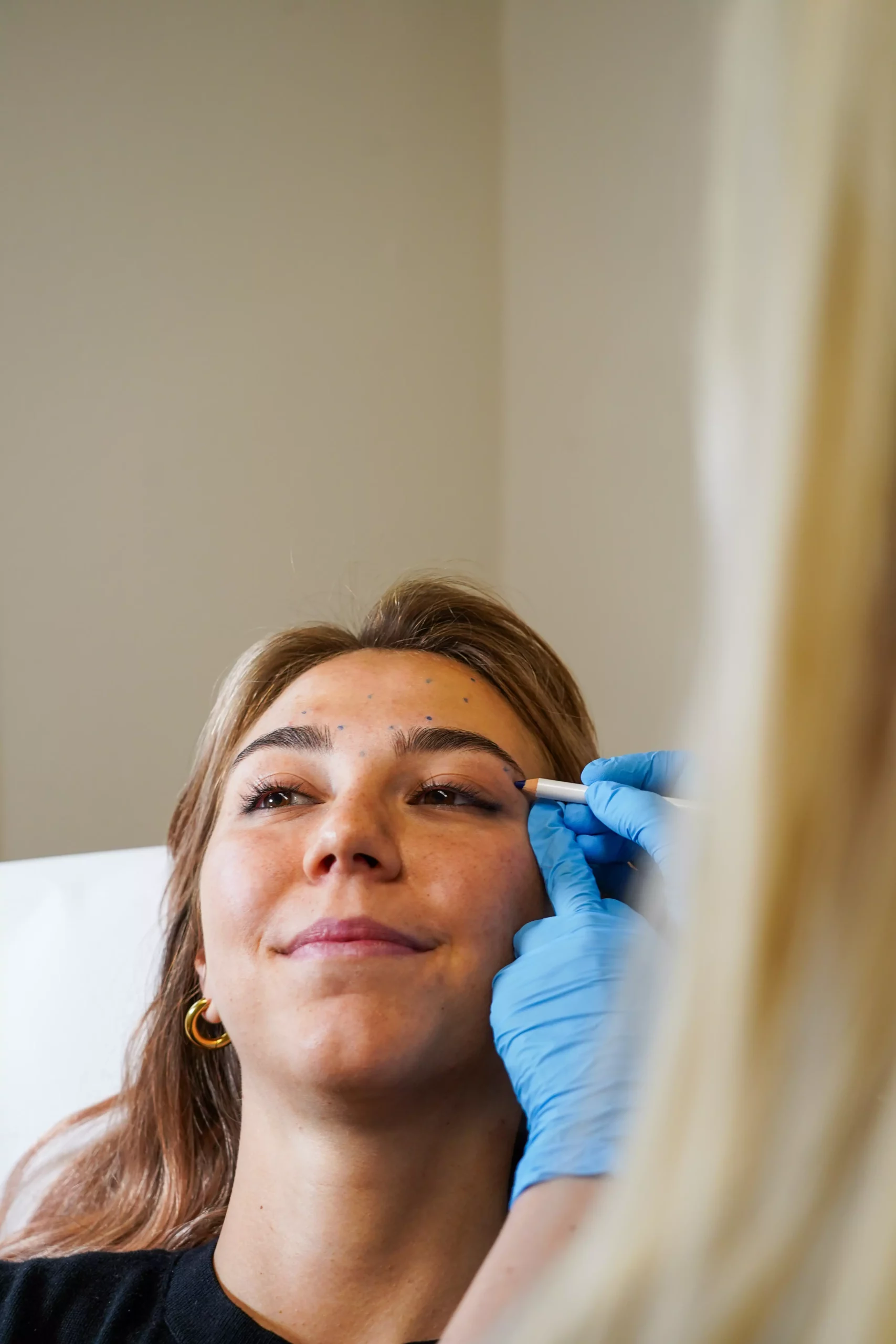
The surgeon makes small incisions along the natural creases of the eyelids to minimize scarring. For upper eyelid lifts, the incision is made in the natural crease of the eyelid. For lower eyelid lifts, the incision is made either on the inside of the eyelid (transconjunctival incision) or directly under the eyelashes.
Removal of excess skin and fat:
The surgeon will remove excess skin and fat from the eyelids. This can be done with a scalpel or a laser.
Tightening of the muscles:
The surgeon tightens the muscles around the eyelids to support them and prevent sagging.
Closing the incisions:
The surgeon closes the incisions with sutures, which are usually removed within a week.
What to expect...
Preparation
Before undergoing eyelid surgery, patients should: Have a detailed consultation with the surgeon to discuss expectations and possible risks. Have all necessary medical examinations and tests performed. Avoid taking blood-thinning medication, alcohol, and nicotine for at least one week before the procedure. Obtain information about postoperative care and recovery time.
Follow-up care
After the procedure, patients can expect swelling and bruising around the eyes. It is important to follow the surgeon's aftercare instructions to ensure proper healing and minimize the risk of complications. Recovery time varies depending on the type of procedure, but patients can usually return to their normal activities within two weeks.
Frequently asked questions
Book a non-binding consultation
Whether a treatment is suitable for you is assessed individually in a personal consultation.
Book appointment