Facial and Wrinkle Treatments
Botox treatment
Botox treatments are a popular way to reduce the appearance of wrinkles and fine lines on the face. But there is more to BTX treatment than meets the eye. In this comprehensive guide, you will learn all about the basics of B-toxin, its many benefits, and the steps you need to take to prepare for and recover from Botox treatment. So read on to learn everything you need to know about this popular beauty treatment.
Book appointment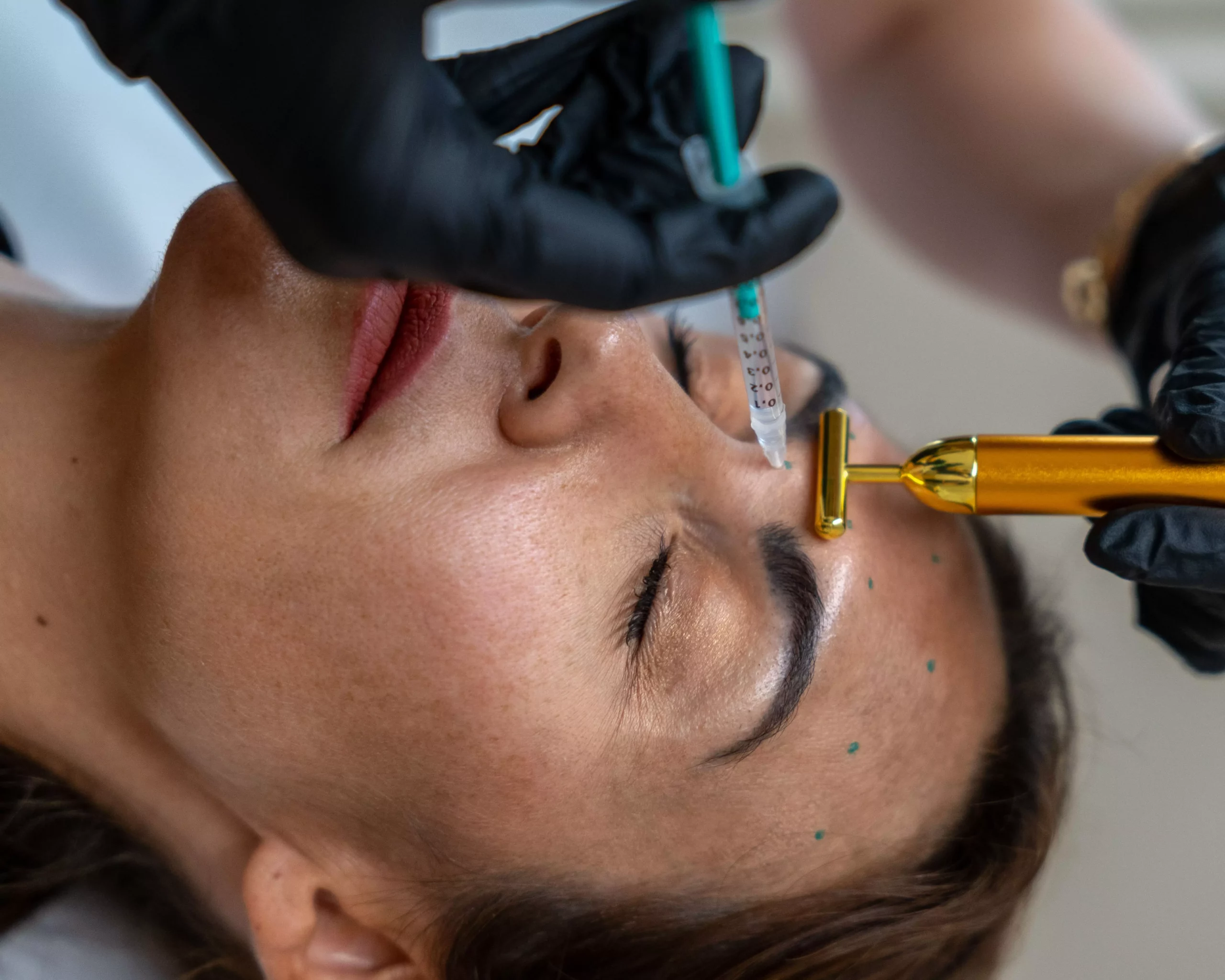
What is botox?
Botox is a brand name for a type of botulinum toxin, a neurotoxin produced by the bacterium Clostridium botulinum. When injected into the skin, Botox blocks signals from the nerves to the muscles, temporarily weakening and relaxing the muscles. This reduces the appearance of wrinkles and fine lines that can come with age. Botox treatments are most commonly used on the forehead, between the eyebrows, and around the eyes.
How does Botox work?
When Botox is injected into the skin, it blocks signals from the nerves to the muscles, preventing them from contracting and causing wrinkles. The results of a Botox treatment usually appear within a few days and last for about three to four months. During this time, the treated muscles relax, reducing the appearance of wrinkles and fine lines.
Types of Botox treatments
Forehead wrinkles
Forehead wrinkles are the horizontal wrinkles that appear on the forehead with age. These wrinkles can be caused by repeated facial expressions such as frowning or raising the eyebrows. Botox injections can relax the muscles that cause forehead wrinkles, resulting in a smoother and more youthful appearance.
Crow’s feet
Crow’s feet are the wrinkles that form around the eyes when we smile or squint. These wrinkles can be caused by the contraction of the muscles around the eyes. With a Botox injection, these muscles can be relaxed so that the crow’s feet are less noticeable.
Brow Lifting (Eyebrow Lifting)
Frown lines are the vertical lines that form between the eyebrows when we frown or concentrate. These lines can make us appear angry or stressed, even when we are not. Botox injections can relax the muscles that cause frown lines, resulting in a more relaxed and youthful appearance.
Lip Flip
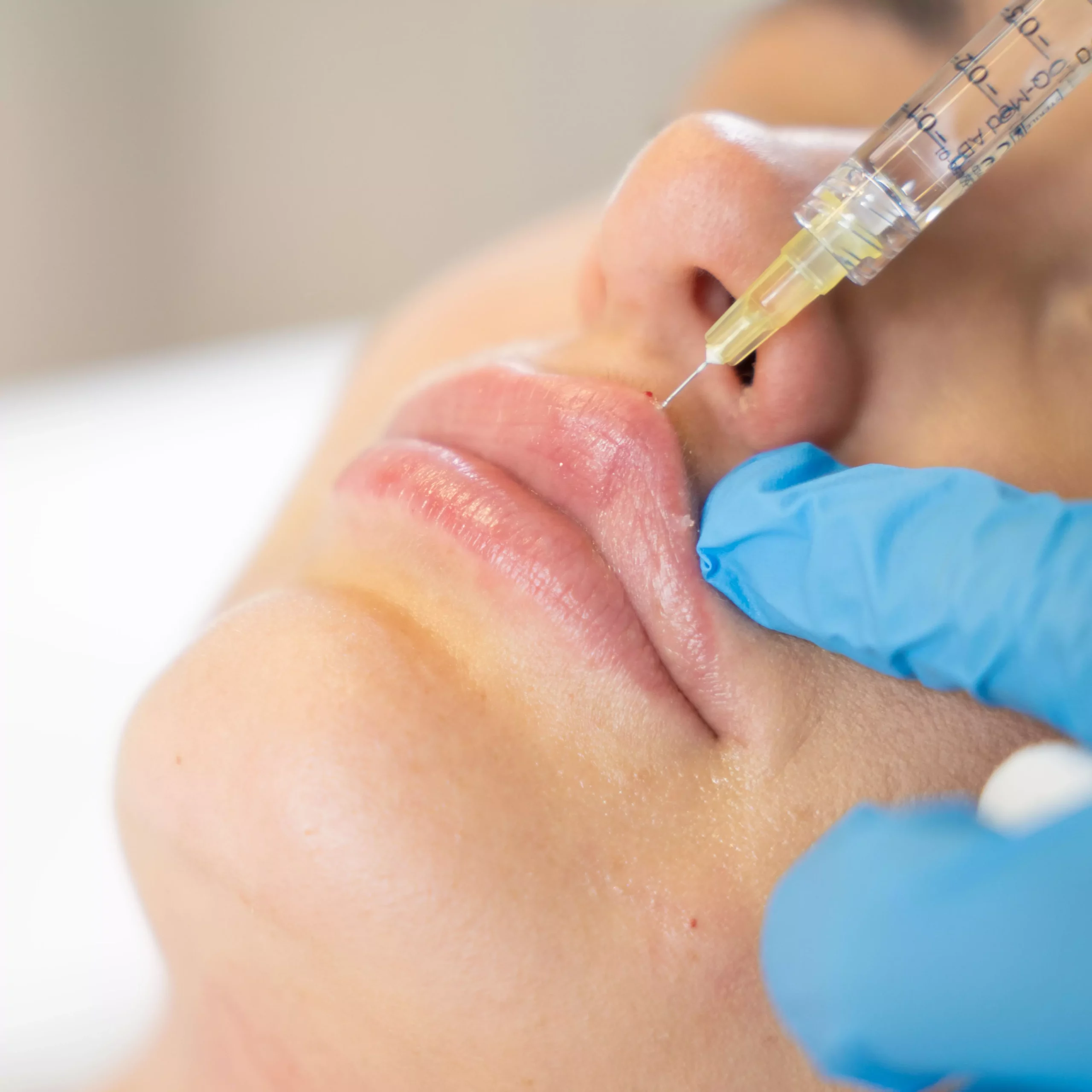
Lip Flip with Botox: Another amazing procedure that can improve your facial aesthetics is the so-called lip flip with BTX. This procedure is perfect for subtly curling the upper lip upward and achieving a fuller lip appearance without resorting to lip fillers. With a targeted Botox injection, the muscles around the lips can be relaxed, turning the lip upward and making your smile look sensual and appealing.
Teeth grinding (bruxism)
Teeth grinding (bruxism): It’s not just the wrinkles between your eyebrows that can affect your appearance, but also nighttime teeth grinding or bruxism. This common problem can not only damage your teeth, but also change your facial features by leading to pronounced jaw muscles. Botox injections can be administered specifically to the jaw muscles to treat bruxism while improving facial contours.
Gummy smile
Gummy smile: A radiant smile is wonderful, but a “gum smile” can sometimes cause too much gum to be visible and affect self-confidence. Botox injections into the upper lip muscles can reduce the visibility of the gums, making your smile more harmonious and aesthetic.
Bunny lines (on the bridge of the nose)
Bunny lines (on the bridge of the nose): Bunny lines are the small wrinkles that form on either side of the bridge of the nose when we wrinkle our nose or laugh. Although they can be charming, some people want to reduce these lines. Botox injections can be administered specifically into the muscles around the bridge of the nose to minimize the formation of bunny lines and achieve a smoother appearance.
Strawberry chin (cobblestone dimples on the chin)
Strawberry chin (cobblestone dimples on the chin): Another concern that affects many people is the so-called “strawberry chin” or cobblestone dimples on the chin. These unwanted dimples can be treated with Botox injections by specifically relaxing the muscles in the chin. The result is a smoother and more even chin area, which contributes to an overall more attractive face.
Migraine headaches
The injections are administered in the head and neck area and target specific muscles that are believed to be involved in triggering migraines. Studies have shown that Botox treatments can reduce the frequency and severity of migraines, providing relief for those affected.
Excessive sweating
Botox can also be used to treat hyperhidrosis, a condition that causes excessive sweating. When injected into the armpits, hands, or feet, Botox blocks the nerve signals that stimulate the sweat glands, thereby reducing sweat production. For people who suffer from excessive sweating, this can be a life-changing treatment that improves their self-confidence and quality of life.
Muscle spasms and twitching
Botox can be used to treat muscle spasms and twitching, particularly in conditions such as cervical dystonia, a disorder that causes involuntary contractions of the neck muscles. When Botox is injected into the affected muscles, it can help to relax them and reduce the severity of the spasms and twitching. Botox treatment can also help to compensate for facial paralysis (facial nerve palsy) after a stroke.
Eye disorders
Botox can be used to treat a number of eye conditions, including strabismus and blepharospasm (involuntary blinking). When injected into the muscles that control eye movement, Botox can help improve eye alignment and reduce the frequency and severity of involuntary blinking.
What to expect...
Consultation
Before undergoing Botox treatment, you will usually have a consultation with a doctor to discuss your goals and determine whether Botox is the right treatment for you. During the consultation, the doctor will ask about your medical history and any medications you are currently taking. They will also examine the areas you wish to have treated and discuss the expected results with you.
Preparation
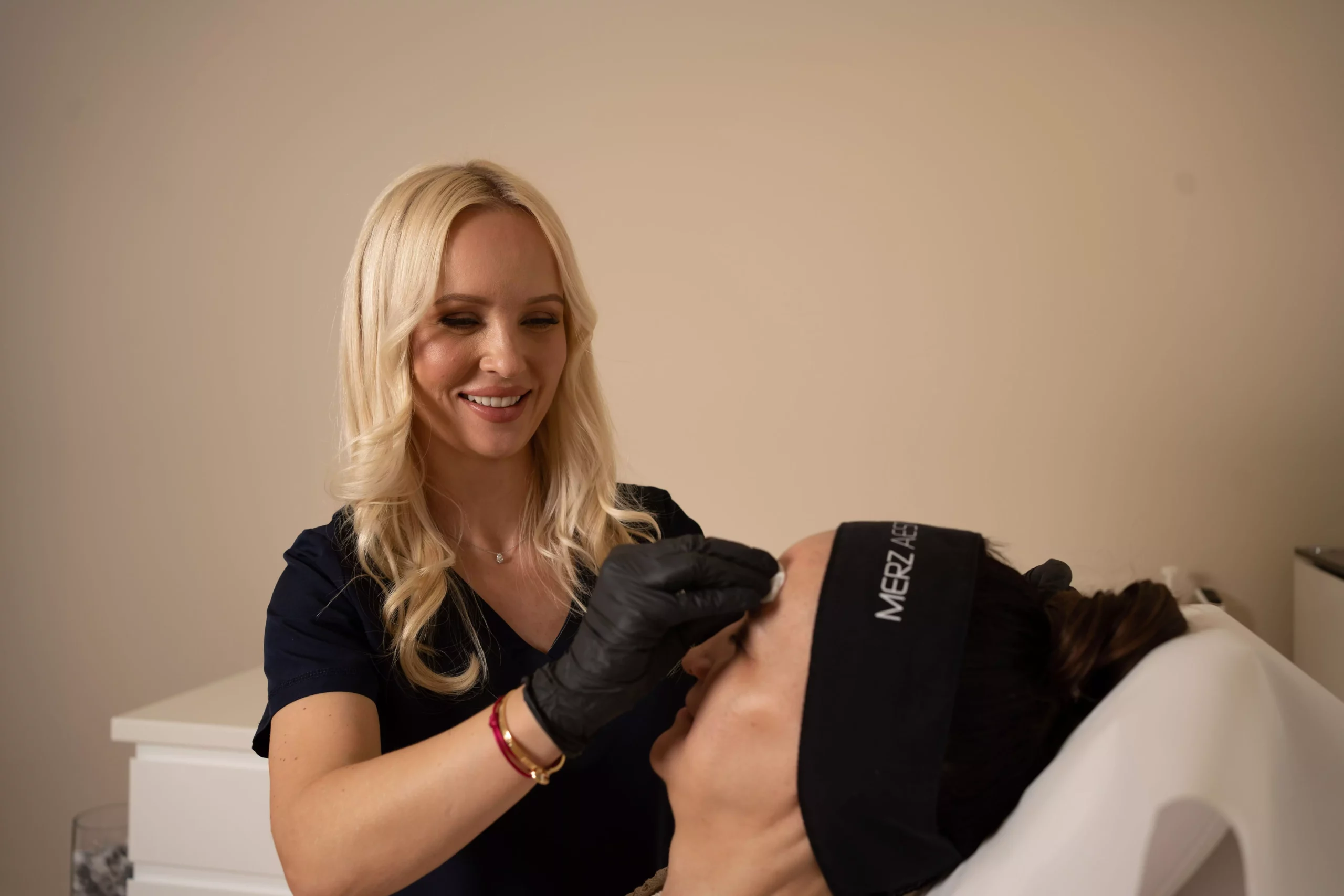
Once you have decided on Botox treatment, the doctor will prepare the area by cleansing the skin and possibly applying an anesthetic cream. He or she may also mark the injection sites to ensure accurate placement..
Injection
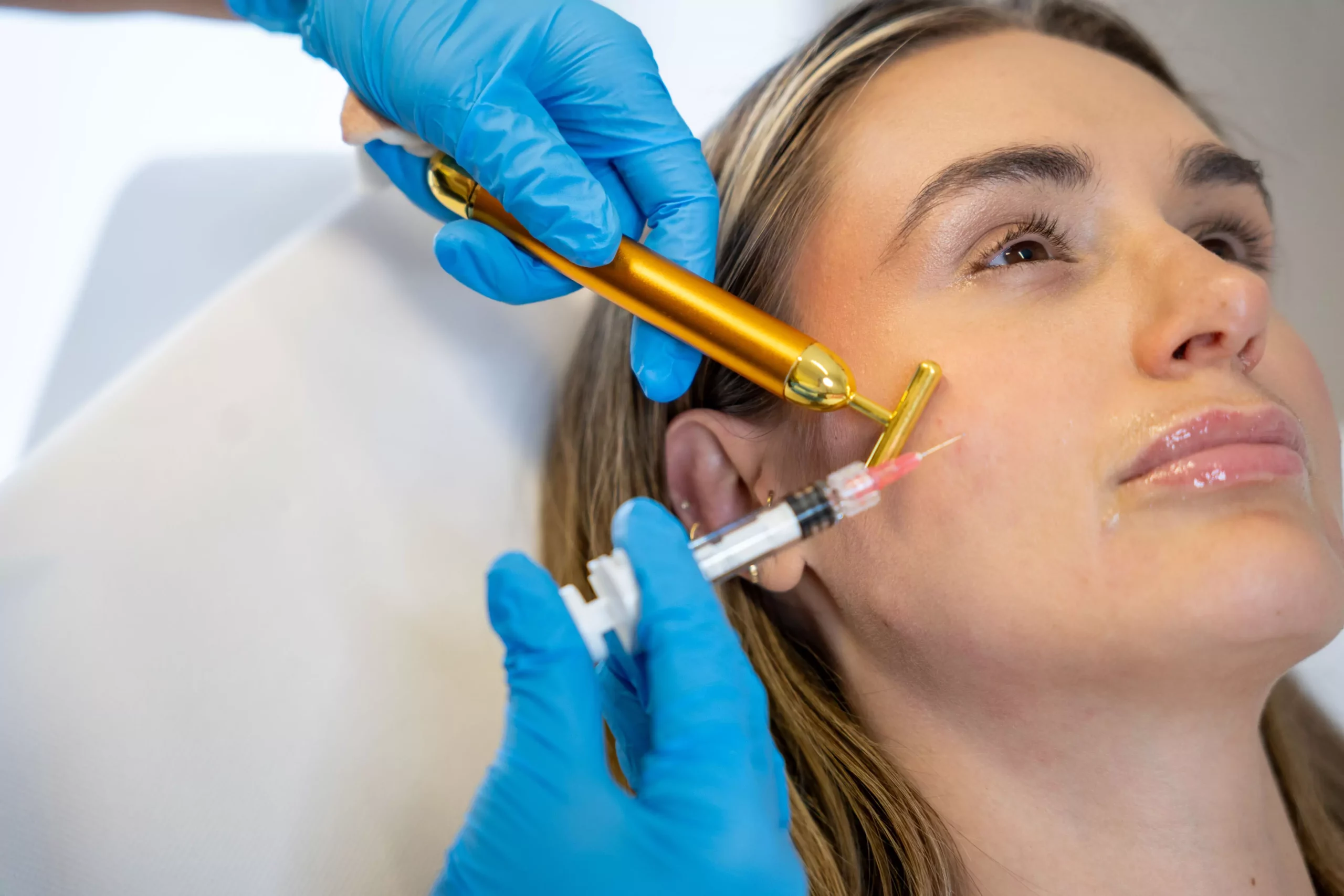
Using a fine needle, the doctor injects small amounts of Botox into the muscles to be treated. The number of injections required depends on the area to be treated and the individual needs of the patient. Some people feel a slight twinge or sting during the injections, but in general, the treatment is well tolerated and relatively painless.
Care after treatment
After completing the injections, the doctor may apply ice to the treated area to reduce swelling and discomfort. They will also give you instructions on how to care for the treated area. This includes avoiding strenuous activity for the first 24 hours and not touching or rubbing the area.
Results
The results of Botox treatment are usually visible within a few days to a week after the injection. It can take up to two weeks for the full effect of the treatment to unfold. The results of BTX treatment can last three to six months, depending on the individual and the area treated.
Follow-up
It is important that you contact your doctor after your Botox treatment to assess the results and determine whether touch-up injections are necessary. Options for ongoing maintenance treatments may also be discussed in order to maintain the results of the treatment.
Frequently asked questions
Book a non-binding consultation
Whether a treatment is suitable for you is assessed individually in a personal consultation.
Book appointment